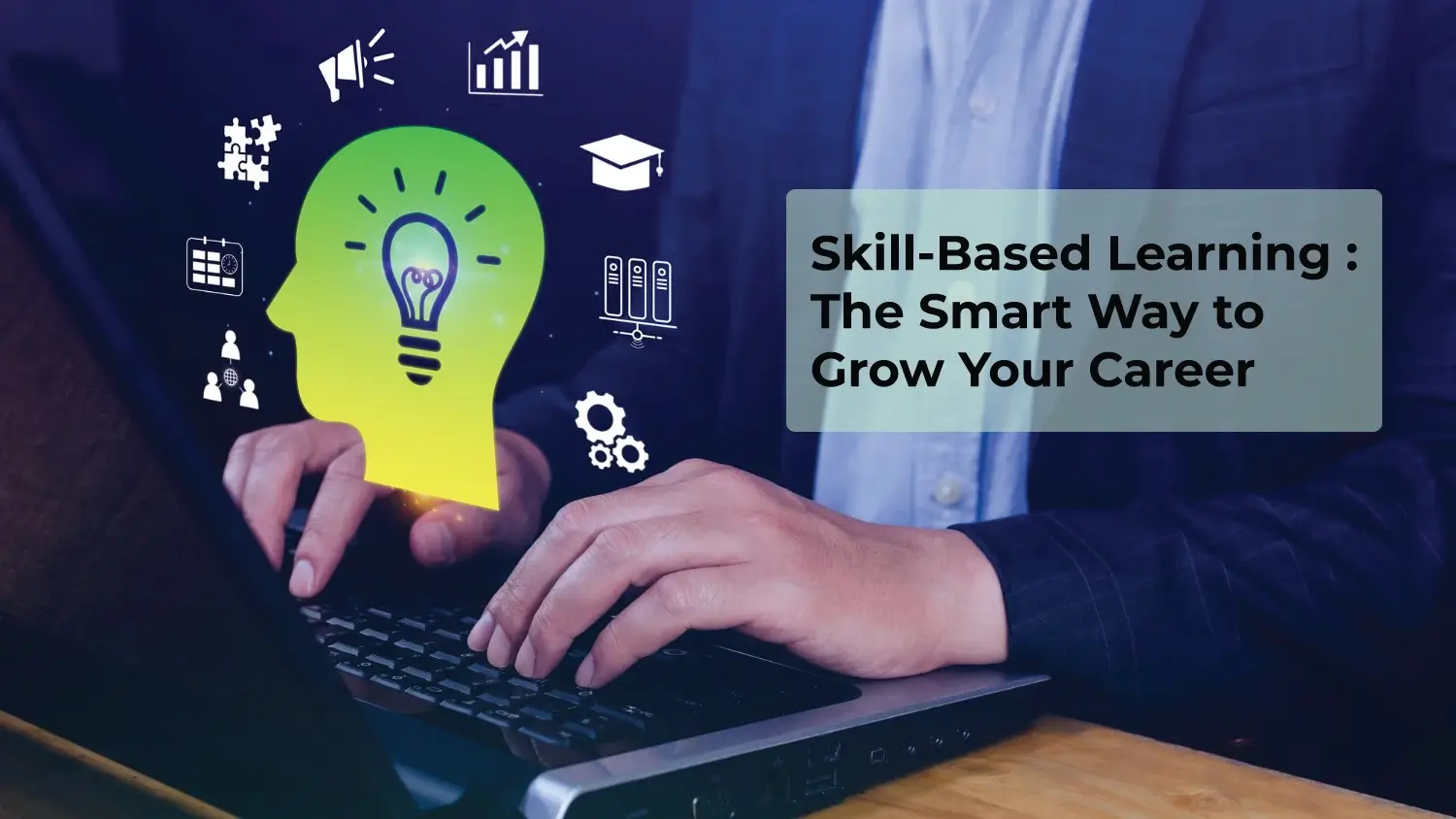
In today’s fast-changing professional world, traditional education alone is no longer enough to guarantee career success. Degrees still matter, but employers are increasingly prioritizing what you can do over what you have studied. This shift has brought skill-based learning to the forefront as one of the smartest and most effective ways to grow your career.
Skill-based learning focuses on developing practical, job-ready abilities that align directly with industry needs. Whether you are a student, a working professional, or someone looking to switch careers, this approach helps you stay relevant, competitive, and confident in the job market. As industries evolve due to technology, automation, and globalization, learning the right skills at the right time has become essential for long-term growth.
In this blog, we’ll explore what skill-based learning is, why it matters, how it differs from traditional education, and how you can adopt it to build a future-proof career.
Skill-Based Learning
The modern workforce is evolving faster than ever before. New roles are emerging, existing jobs are changing, and some careers are becoming obsolete. In this environment, professionals can no longer rely solely on static knowledge acquired years ago. Continuous learning and upskilling are now non-negotiable.
Skill-based learning offers a practical solution. Instead of focusing only on theory, it emphasizes hands-on experience, real-world problem-solving, and industry-relevant competencies. This learning approach ensures that individuals are not just educated but employable.
What Is Skill-Based Learning?
Skill-based learning is an educational approach that prioritizes the development of specific, measurable, and applicable skills. These skills can be technical, such as coding or data analysis, or non-technical, such as communication, leadership, and critical thinking.
Unlike traditional learning systems that revolve around degrees and certifications, skill-based learning focuses on outcomes. The goal is to ensure learners can perform tasks effectively in real work environments. It often includes practical projects, simulations, case studies, and continuous assessments.
Why Skill-Based Learning Matters in Today’s Job Market
The job market is becoming increasingly skills-driven. Employers are looking for candidates who can contribute from day one, adapt quickly, and learn continuously. This shift is driven by several factors:
- Rapid technological advancement
- Automation and artificial intelligence
- Global competition for talent
- Shorter skill lifecycles
Many companies now prioritize skills over degrees when hiring. Skill-based learning allows professionals to stay updated with current trends and remain competitive in their respective fields.
Traditional Education vs Skill-Based Learning
Traditional education and skill-based learning serve different purposes. While formal education builds foundational knowledge, it often lacks real-world application. Skill-based learning bridges this gap by aligning education with industry requirements.
Traditional Education
- Focuses on theory and academic knowledge
- Takes longer to complete
- Often not updated frequently
- May not align with current job roles
Skill-Based Learning
- Focuses on practical, hands-on skills
- Flexible and faster to complete
- Continuously updated
- Directly aligned with job market needs
Both approaches can complement each other, but skill-based learning is becoming essential for career growth and adaptability.
Key Benefits of Skill-Based Learning
1. Job Readiness
Skill-based learning prepares individuals for real-world tasks, making them job-ready and confident in their abilities.
2. Career Flexibility
With transferable skills, professionals can switch roles or industries more easily.
3. Faster Career Growth
Acquiring relevant skills can lead to quicker promotions, salary increases, and better job opportunities.
4. Lifelong Learning Mindset
Skill-based learning encourages continuous improvement, helping individuals stay relevant throughout their careers.
5. Employer Recognition
Employers value practical skills that directly impact productivity and performance.
In-Demand Skills for Career Growth
As industries evolve, certain skills continue to gain importance. Some of the most in-demand skill categories include:
Technical Skills
- Data analysis and data visualization
- Programming and software development
- Digital marketing and SEO
- Cloud computing and cybersecurity
- Artificial intelligence and machine learning
Soft Skills
- Communication and collaboration
- Problem-solving and critical thinking
- Leadership and emotional intelligence
- Adaptability and time management
Hybrid Skills
The future belongs to professionals who combine technical expertise with strong interpersonal skills. These hybrid skills are especially valuable in leadership and management roles.
Role of Technology in Skill Development
Technology has transformed the way skills are learned and applied. Online platforms, virtual labs, AI-powered tools, and interactive content have made learning more accessible and personalized.
Benefits of technology-driven skill development include:
- Self-paced learning
- Real-time feedback
- Global access to resources
- Practical simulations and projects
Many learners turn to digital learning platforms and skill-focused blogs like Learn Smartly to stay informed about emerging skills and industry trends.
How Skill-Based Learning Supports Career Transitions
Career changes are becoming more common, whether due to personal interests, industry disruption, or better opportunities. Skill-based learning makes career transitions smoother by allowing individuals to build new competencies without starting from scratch.
For example, a marketing professional can transition into data analytics by learning relevant tools and techniques. Similarly, a non-technical professional can move into tech roles by acquiring specific, in-demand skills.
Building a Personalized Skill-Based Learning Plan
To make the most of skill-based learning, it’s important to have a clear plan. Here’s how you can create one:
- Identify Career Goals – Understand where you want to go professionally.
- Analyze Skill Gaps – Compare your current skills with job market requirements.
- Choose Relevant Skills – Focus on high-demand and future-ready skills.
- Practice Consistently – Apply your learning through projects and real-world tasks.
- Track Progress – Regularly evaluate your improvement and update your learning plan.
Challenges in Skill-Based Learning and How to Overcome Them
While skill-based learning is powerful, it comes with challenges:
Lack of Direction
Solution: Set clear goals and follow a structured learning roadmap.
Information Overload
Solution: Focus on quality resources and prioritize essential skills.
Time Management
Solution: Allocate dedicated time slots for learning and practice.
Skill Validation
Solution: Build portfolios, complete projects, and demonstrate skills through real work.
The Future of Skill-Based Learning
The future of education and employment is undeniably skill-driven. As industries continue to evolve, skill-based learning will play a critical role in shaping the workforce.
Trends shaping the future include:
- Micro-credentials and skill certifications
- AI-powered personalized learning
- Employer-led training programs
- Continuous upskilling and reskilling
Professionals who embrace skill-based learning today will be better prepared for tomorrow’s challenges.
Conclusion
Skill-based learning is no longer an option-it is a necessity for career growth in the modern world. By focusing on practical, relevant, and evolving skills, individuals can future-proof their careers and unlock new opportunities.
Whether you’re starting your professional journey or looking to advance further, adopting a skill-based learning mindset will help you stay adaptable, confident, and competitive. Platforms and resources like Learn Smartly continue to highlight the importance of ever-evolving skill development in shaping successful careers.
FAQs
What is skill-based learning in simple terms?
Skill-based learning focuses on developing practical skills that can be directly applied in real-world jobs rather than only theoretical knowledge.
Is skill-based learning better than traditional education?
Skill-based learning complements traditional education by making learners job-ready and adaptable. Both together offer the best results.
Can skill-based learning help in career change?
Yes, it allows individuals to acquire new skills required for different roles or industries without starting over completely.
Which skills are most important for the future?
Technical skills, soft skills, and hybrid skills such as problem-solving, digital literacy, and adaptability will be crucial.
How long does it take to see results from skill-based learning?
Results depend on the skill and effort invested, but many learners see improvements in confidence and employability within months.
Is skill-based learning suitable for working professionals?
Absolutely. Its flexible and practical nature makes it ideal for professionals who want to upskill while working.