Education is undergoing a powerful transformation. With rapid advances in technology, the way students learn today looks very different from classrooms of the past. One of the most debated topics in modern education is Blended Learning vs Traditional Learning. Both approaches aim to deliver quality education, but they differ significantly in methods, flexibility, and learner experience.
As e-learning continues to evolve, learners, parents, educators, and institutions are asking an important question: Which learning model is better for today and the future? This article explores both approaches in depth, compares their strengths and limitations, and helps you decide which one suits your learning goals best.
Modern Learning Models
Education has always adapted to societal needs. From chalkboards to smartboards, learning methods have continuously evolved. The rise of the internet, mobile devices, and digital platforms has reshaped education globally, giving birth to new learning models.
Traditional classroom-based learning dominated for decades. However, blended learning-combining face-to-face instruction with online learning-has emerged as a powerful alternative. Understanding the difference between these models is essential in an era driven by digital skills, lifelong learning, and flexibility.
What Is Traditional Learning?
Traditional learning, also known as face-to-face or classroom learning, is the conventional education system where students attend physical classes at scheduled times. A teacher leads the class, delivers lectures, assigns homework, and conducts exams in person.
Key Characteristics of Traditional Learning
- Fixed classroom environment
- Teacher-centered instruction
- Set schedules and timetables
- Physical textbooks and printed materials
- In-person assessments and examinations
This model has been the foundation of schools, colleges, and universities worldwide for generations.
What Is Blended Learning?
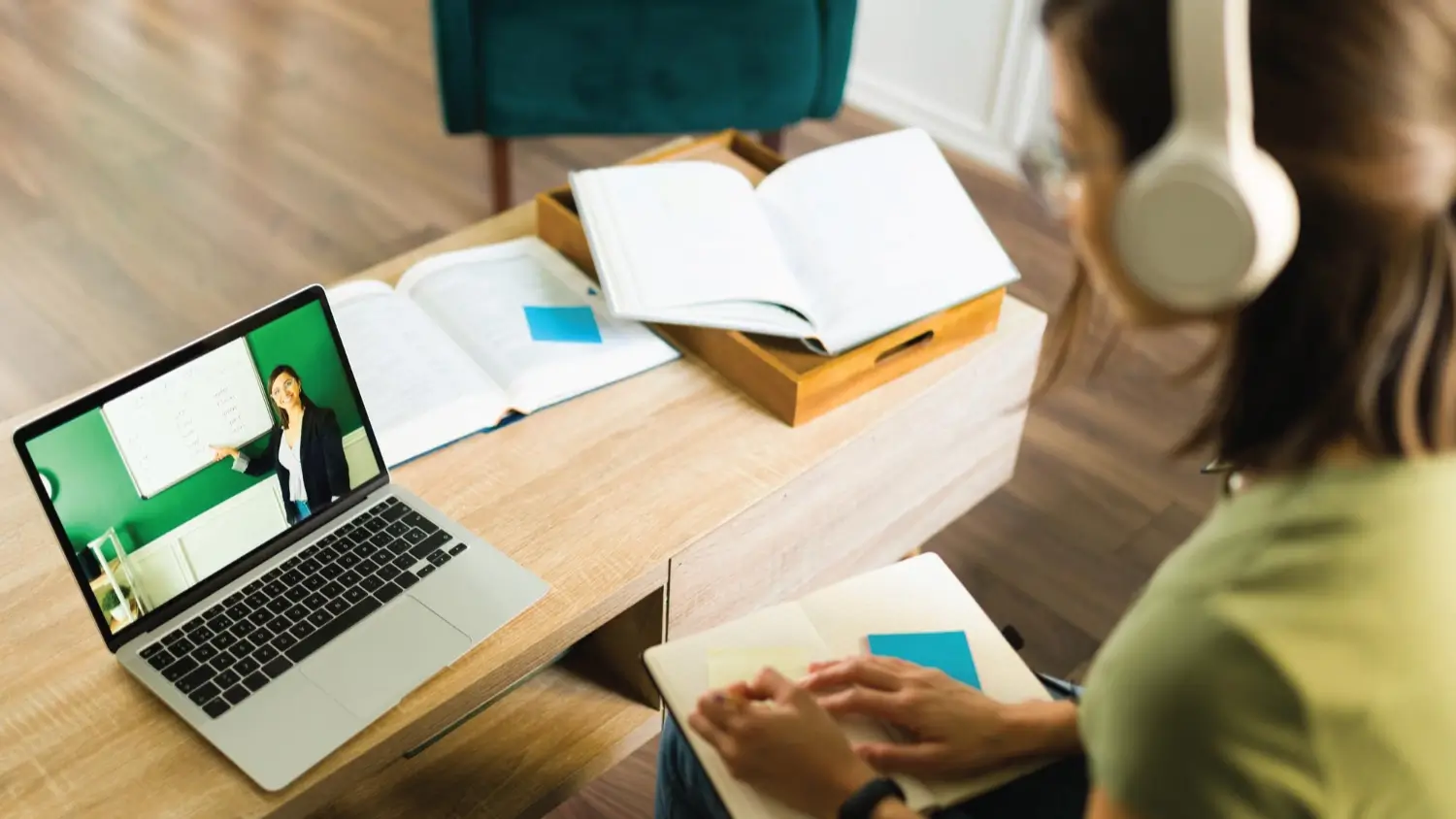
Blended learning is a hybrid approach that combines traditional classroom teaching with online and digital learning tools. It allows learners to access part of the course content online while still benefiting from face-to-face interaction with instructors.
Key Characteristics of Blended Learning
- Mix of online and in-person learning
- Flexible learning schedules
- Digital resources such as videos, quizzes, and virtual labs
- Student-centered and self-paced components
- Use of Learning Management Systems (LMS)
Blended learning reflects the ever-evolving nature of e-learning, making education more adaptable and accessible.
Key Differences Between Blended Learning and Traditional Learning
| Aspect | Traditional Learning | Blended Learning |
|---|---|---|
| Learning Mode | Fully offline | Online + Offline |
| Flexibility | Limited | High |
| Pace of Learning | Same for all students | Personalized |
| Technology Use | Minimal | Extensive |
| Student Engagement | Teacher-driven | Interactive and learner-driven |
| Accessibility | Location-dependent | Accessible from anywhere |
Advantages of Traditional Learning
Despite technological growth, traditional learning still holds strong value.
1.1 Face-to-Face Interaction
Direct interaction with teachers and peers promotes immediate feedback, emotional connection, and classroom discussions.
1.2 Structured Learning Environment
Fixed schedules help students develop discipline, routine, and time management skills.
1.3 Hands-On Experience
Practical subjects like laboratory work, arts, and sports benefit greatly from physical presence.
1.4 Social Development
Traditional classrooms encourage teamwork, communication skills, and social bonding.
Limitations of Traditional Learning
While effective, traditional learning has certain drawbacks in today’s fast-changing world.
1.1 Limited Flexibility
Students must attend classes at specific times and locations, which can be challenging for working professionals or remote learners.
1.2 One-Size-Fits-All Approach
Teachers often follow a uniform pace, which may not suit all learning styles or abilities.
1.3 Higher Costs
Infrastructure, commuting, and physical resources can make traditional education expensive.
1.4 Limited Access to Global Resources
Learning is often restricted to textbooks and local teaching materials.
Advantages of Blended Learning
Blended learning has gained popularity due to its adaptability and learner-focused design.
1.1 Flexibility and Convenience
Students can access online materials anytime, anywhere, making it ideal for busy schedules.
1.2 Personalized Learning Experience
Learners can move at their own pace, revisit lessons, and focus on areas where they need improvement.
1.3 Enhanced Engagement
Videos, quizzes, gamification, and interactive content make learning more engaging and effective.
1.4 Cost-Effective Education
Reduced commuting and digital resources often lower overall education costs.
1.5 Skill-Based Learning
Blended learning supports modern skill development such as digital literacy, problem-solving, and self-directed learning.
Platforms and educational blogs like Learn Smartly highlight how blended learning empowers learners with practical, future-ready skills.
Challenges of Blended Learning
Despite its benefits, blended learning is not without challenges.
1.1 Dependence on Technology
Reliable internet access and devices are essential, which may not be available to all learners.
1.2 Self-Discipline Required
Students need strong motivation and time management skills to succeed.
1.3 Limited Social Interaction
Reduced face-to-face time may affect social skill development for some learners.
1.4 Teacher Training Needs
Educators must be trained to effectively use digital tools and online platforms.
Role of Ever-Evolving E-Learning in Education
E-learning is not static-it is constantly evolving. Technologies like Artificial Intelligence, Virtual Reality, Augmented Reality, and adaptive learning systems are reshaping education.
How E-Learning Is Transforming Learning Models
- AI-driven personalized learning paths
- Virtual classrooms and simulations
- Data-driven progress tracking
- Microlearning and mobile learning
- Global access to quality education
Blended learning leverages these advancements, making it more future-proof compared to purely traditional methods.
Which Learning Model Is Better for Students and Professionals?
The answer depends on individual needs and goals.
Traditional Learning Is Better If:
- You prefer structured environments
- You value daily face-to-face interaction
- You are studying hands-on or practical subjects
- You thrive under direct supervision
Blended Learning Is Better If:
- You need flexibility and convenience
- You are a working professional or remote learner
- You prefer self-paced learning
- You want access to global resources and digital skills
Many learners today find blended learning to be the ideal balance between structure and flexibility.
Future of Education: Blended or Traditional?
The future of education is unlikely to be purely traditional. As digital transformation accelerates, blended learning is expected to become the dominant model.
Educational institutions worldwide are integrating technology into classrooms, creating smart campuses and hybrid courses. Traditional learning will continue to exist, but it will evolve by adopting digital elements.
The focus is shifting from where learning happens to how effectively it happens.
Final Verdict
So, Blended Learning vs Traditional Learning: Which Is Better?
There is no one-size-fits-all answer. Traditional learning offers structure, discipline, and strong social interaction. Blended learning provides flexibility, personalization, and access to ever-evolving e-learning tools.
In today’s digital-first world, blended learning stands out as a more adaptable and future-ready approach, especially when combined thoughtfully with traditional methods. The best choice is the one that aligns with your learning style, career goals, and lifestyle.
Conclusion:
As education continues to transform, understanding the strengths of both learning models empowers you to make informed decisions. Whether you choose traditional learning, blended learning, or a mix of both, the ultimate goal remains the same-effective, accessible, and meaningful education.
FAQs
Is blended learning more effective than traditional learning?
Blended learning can be more effective because it combines face-to-face instruction with digital tools, offering flexibility and personalized learning.
Can traditional learning survive in the digital age?
Yes, but it is evolving. Traditional learning is increasingly integrating technology to stay relevant.
Is blended learning suitable for all age groups?
Blended learning works well for students, professionals, and lifelong learners, but younger learners may still need more in-person guidance.
Does blended learning reduce education costs?
In many cases, yes. It reduces travel, printed materials, and infrastructure expenses.
What skills are needed to succeed in blended learning?
Self-discipline, time management, basic digital skills, and motivation are essential.
Which learning model is best for the future?
Blended learning is considered the future of education due to its flexibility and alignment with evolving e-learning trends.